
Selecting the Best O-Ring Material for Specific Applications: A Comprehensive Guide
Best O-Ring Material for Specific Applications

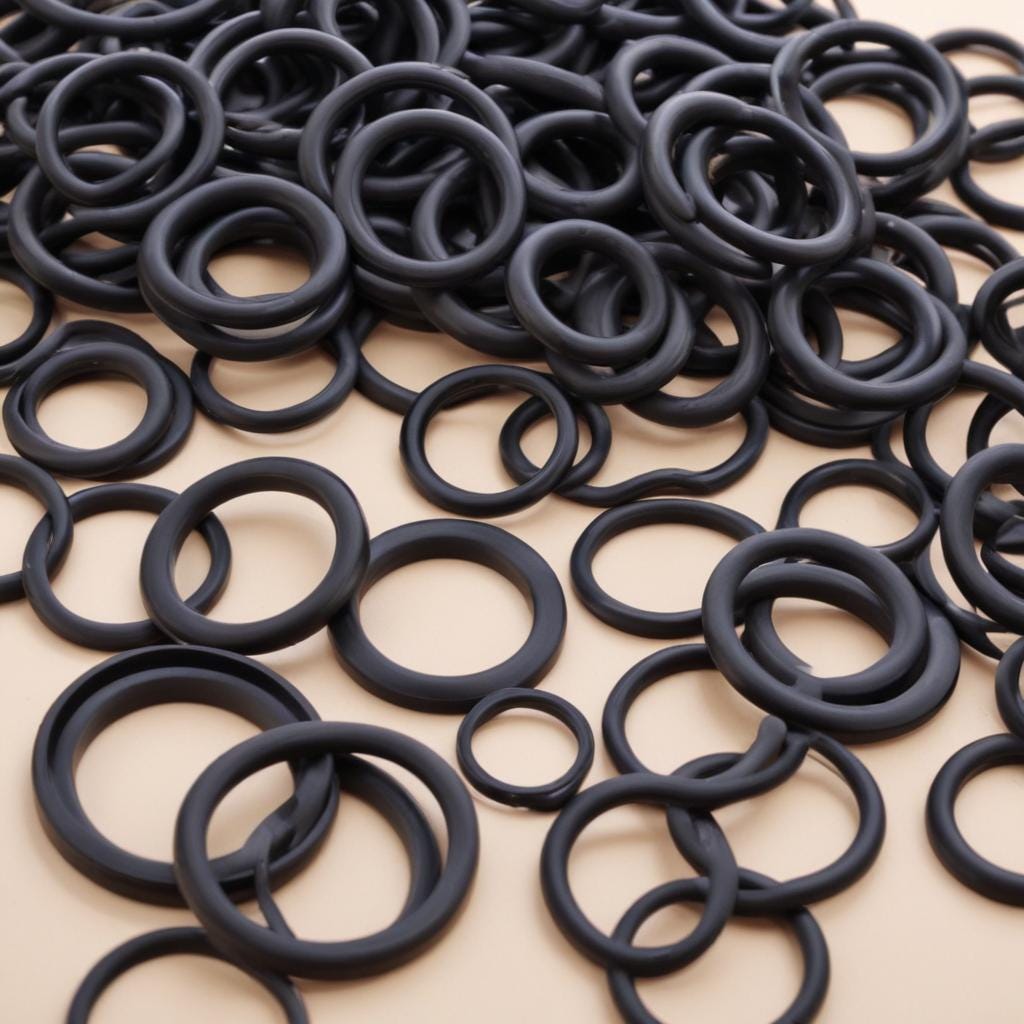
In choosing the right O-ring material, there are some factors that should be taken into account and one of them is temperature. This is one way through which the effect of temperature can greatly reduce the effectiveness of a seal. For example, Inability to withstand high temperatures: Exposure to heat for a long period may cause the physical and chemical deterioration of amorphous O-ring materials making them rigid and incapable of returning to their original state. On the side of cold temperatures they might lead to shrinkage leading to formation of leaks. This guide aims at reviewing the appropriate features that should be taken into consideration in the selection process of O-ring material with special emphasis on temperature problems.
Understanding Temperature Effects on O-Rings
Low Temperature Effects
There are several factors that are considered when selecting rubber seals and their temperature is normally not believed. In these conditions, elastomeric materials are shrunk and there are chances of leakage of fluids. Seal failure due to low temperatures typically occurs in two ways: either the seal solidifies, it does not deform and forms pathways for leakages or when heated from the normal low temperatures it undergoes compressional stress thus resulting in leakages.
For very low temperature operation, Vinyl Silicone (VMQ) as well as Phenyl Silicone (PVMQ) fluids are suitable as they can have a brittle point as low as -85° F and -155° F, respectively. Nonetheless, these materials could reinforce excessively when exposed to specific conditions of the surrounding environment. There are other seals too: Fluorosilicone (FVMQ) has -75°F oil and fuel resistance; thus, it is suitable for aerospace applications, where low temp and aggressive fluids are likely.
Others include EP ( Ethylene Propylene), Nitrile can also be used in low temperature applications but with certain temperature and swell characteristics. Fluorocarbons are usable up to 60°C below zero up to -40°C though for -40°C the low-temperature polymers more costly are necessary.
High Temperature Effects
On the other hand, high temperatures have adverse effects on the physical and chemical properties of the O-ring elastomers they are made from, which cause them to harden and swell within the gland. This can lead to higher friction, particularly in sliding bearings and other transient applications; and becomes more critical where high pressure conditions are subjected on the components while room temperature test may not reveal the true behavior of the interface as it may in actual operation. Fluoroelastomers (FKM), Silicone, and Fluorosilicone sealants are made to be heat resistant and some of them can be used at temperature not more than 400°F and occasionally, up to 600°F. Also, other polymers such as ethylene propylene give a good level of resistance to certain fluids such as steam.

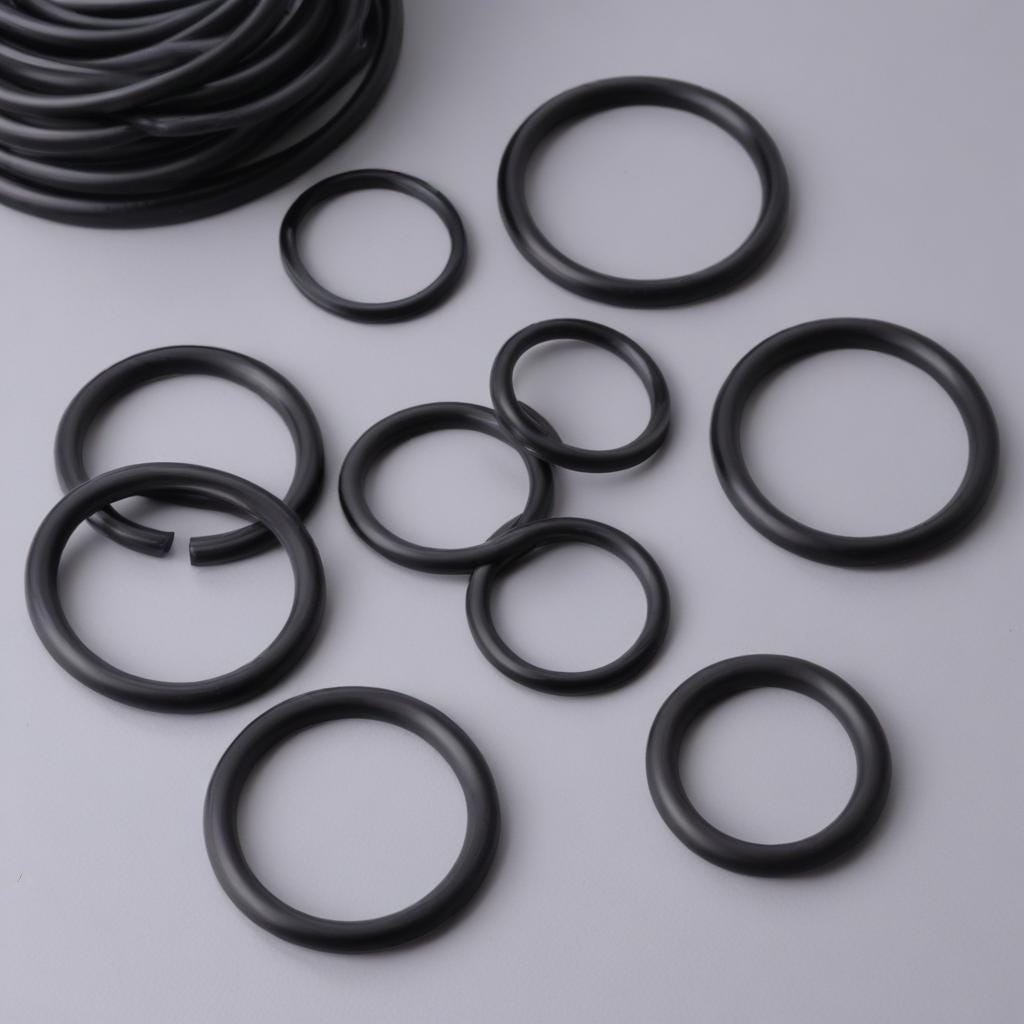
Vinyl Silicone (VMQ) and Phenyl Silicone (PVMQ)
Specifically, Vinyl Silicone (VMQ) and Phenyl Silicone (PVMQ) are highly recommended for their ability to handle high flexibility in low temperature conditions. The first, VMQ, can endure temperature below -85 degrees Fahrenheit, while the second, PVMQ, can stand temperature below -155 degrees Fahrenheit. Some of these materials are used in aerospace and many other applications where low temperatures are experienced. Nevertheless, they tend to swell in some conditions, and therefore, need to be properly chosen depending on the context in which they are going to be used.
Fluorosilicone (FVMQ)
FVMQ Fluorosilicone materials provide the lowest temperature flexibility along with moderate oils and fuels resistance. It is suitable for Aerospace application as it works up to -75°F; it also has good chemical resistance for application in environments which are exposed to low temperatures.
Ethylene Propylene (EP) and Nitrile
Ethylene Propylene (EP) and Nitrile rubbers are all-round materials ideal for diverse low temperature operations. EP has satisfactory characteristics in regard to resistance to weathering, ozonized air, and water, thus it is suitable for outdoor use. Whereas, nitrile gives good protection against oils and fuels, thus used in automobiles and industries extensively.
Fluorocarbons
Fluorocarbons, of which Fluoroelastomers (FKM) are a part, are high-temperature vulcanizing elastomers which are chemically very compatible. They are capable of working within the range of -13 Flemish to -40 Flemish. In cases where lower temperatures are needed, there are specific low temperature fluorocarbon products, although these ones are more expensive.
Silicone and Fluorosilicone
Silicone and Fluorosilicone are best for high temperature sealing up to 400°F and some grades can take 600°F for a short period of time. They are usually applied in situations where automobile, airplanes, and manufacturing businesses require resistance to high temperatures. Due to these unique characteristics of their ability to maintain flexing and their sealing properties, these types of seals are ideal for dynamic sealing uses.
Ethylene Propylene (EP) for High-Temperature Fluids
Ethylene Propylene (EP) has very good thermal stability to some of the high temperature fluids like steam. This means that it is used widely in applications where it will come into contact with hot water and steam, for instance the food processing and the pharmaceutical companies among others.
EPDM (Ethylene Propylene Diene Monomer)
EPDM is an excellent material for applications requiring resistance to heat, ozone, and weather conditions. It is widely used in automotive and industrial sectors for seals, gaskets, and hoses. EPDM can withstand temperatures ranging from -70°F to 250°F, making it suitable for both low and high-temperature applications. EPDM O-rings has good resistance to water, steam, and a variety of chemicals, making EPDM rubber O-rings highly effective for various sealing applications.
Additional Considerations for O-Ring Material Selection
Chemical Compatibility
Temperature and chemical compatibility are the two main factors that affect O-ring selection in case of material choice. The material has to be chemically resistant to substances it will find itself in during its functioning. For example, FKM is well reputed in its resistance to chemicals meaning that it is appropriate to be used in areas with massive chemical or fuel usage.
Mechanical Properties
Some characteristics of the material used in the O-ring, including tensile strength, elongation, and hardness, are also essential factors that determine the appropriate performance of the gasket. The above properties define the ability of the material to withstand mechanical load and retain its sealing characteristics for the required periods.
Pressure and Dynamic Applications
Regarding flexible applications featuring high pressure and dynamic motion, the material’s performance in relation to extrusion and wear is critical. Compositions like FKM and Silicone are favorites in applications that call for strength and wear resistance in such parts.
Conclusion
When choosing the most suitable material for use in an O-ring, specific parameters are put into consideration and temperature is among the most important. This is because O-ring seals are sensitive to low and high temperatures which may cause leakage and, therefore, equipment failure. The choice of the O-ring material can take into account the effects of temperature on the said materials in conjunction with other parameters such as chemical compatibility, mechanical properties, and application requirements.
Depending on the conditions you require for your O-rings whether they are low temperature or high temperature there are materials that can be used. Following are the types of silicone materials: Vinyl Silicone & Phenyl Silicone for – Low temp, Fluoroelastomers & Silicone for High temp, etc., all of which possess characteristics suitable for the relevant use.
Please contact our engineers for help on available O-rings and selection of the suitable material. Please get in touch with us for the most cost effective solution to your problem that will guarantee an efficiency of your procedures.